Securing a non-urgent MRI scan on the NHS often resembles a lottery. You wait, not knowing when your number will come up. This peculiar limbo has an strange resemblance in the world of online slots, like the popular Book of Ra game. Both feature a period of waiting before a result, though the consequences could not be more distinct. We are exploring this surprising comparison, and how both systems handle the anticipations of the people caught up in them.
The most recent figures from NHS England indicate a significant backlog for diagnostics https://casinobooks.games/book-of-ra. The stated target is 18 weeks from referral to treatment, but for non-urgent MRI scans, this is consistently missed. It is usual for patients to wait numerous months. That span of time is challenging, brimming with worry, and it highlights the severe pressure on the NHS.
Various factors feed these delays. There are not enough radiographers to run the machines. Many of the scanners themselves are old and need replacing. Demand keeps increasing higher. After the pandemic, the attempt to catch up rendered all of this worse. For the person on the waiting list, the experience is largely passive and frustrating. You have almost no control.
Waiting for something uncertain does something us. Our minds react in expected ways. It does not matter if you are waiting for a scan result or for a slot game’s bonus round to start. The brain’s mechanism for handling potential rewards engages. The act of expectation can trigger dopamine. Healthcare administrators and game developers both know this, though their objectives and their ethics are completely separate.
In medicine, a long wait can harm a patient’s mental health. In regulated gambling, that same sense of expectation is the entire point of the product. Here lies the core difference. One system seeks to reduce distress to improve health. The other deliberately builds excitement to keep you playing. Who controls the clock is what sets them apart.
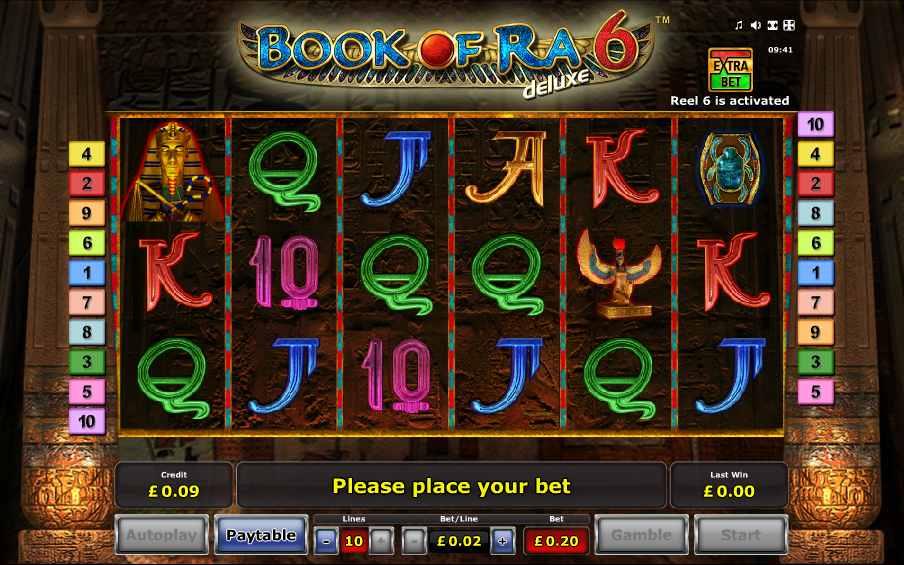
Tento automat, slotová hra s egyptskou tématikou, is built around mechanice čekání. Hlavní tahák představuje the free spins feature. Spustíte ho při dosažení tří nebo více Book scatter symbols. Po spuštění bonusu, the game randomly picks jeden symbol který se stane speciálním. Waiting to see that symbol will expand across a reel je vrcholným okamžikem. Vytváří to silné napětí, podobné jako the seconds before a doctor gives you news, but sealed inside říše náhody.
Pár specifických prvků dělá čekání v této hře funguje:
For someone in the UK who is in need of a routine MRI, the process is clear but slow. It begins with a GP sending you to a hospital doctor. That consultant then arranges the scan. Your name goes on a list. Weeks or months later, an booking letter arrives. You get the scan. Then you must wait again, this time for the radiologist’s report to go back to your specialist.
There are other routes, but they involve money. The commercial healthcare sector can deliver an MRI scan much more rapidly, sometimes in a period of days. This is an option for people who can pay directly or who have medical cover. Some NHS trusts also use funds to use private clinics to reduce their lists, a method called insourcing. However, this practice is not routine, and access depends completely on where you live.
The resolution of an MRI wait is tangible and often life-changing. A clear result brings profound relief. A finding that shows a problem begins a new and significant journey of treatment. The result is tangible. It influences your body. However slow, the process is founded on scientific method and professional skill, all geared at making you better.
The consequence of a spin on Book of Ra is monetarily small and psychologically temporary. It delivers a moment of fun. Its conclusion is defined by a mathematical percentage called the Return to Player (RTP). The reward here is intended for short excitement, not long-term improvement. It works on chance, not medical judgement.
How you cope a wait is largely determined on what you know and your options. Many NHS patients say they feel uninformed. They have limited means to check their place in the queue or get updates without chasing themselves. This lack of control makes the stress worse. The wait seems infinite and faceless.
A person engaged in a slot game has a distinct type of authority. They choose when to play, what amount to wager, and when to walk away. The game’s rules and odds, while complex, are made available as the RTP. The wait is measured in seconds. The result is prompt. This feeling of agency, even if minimal, changes the entire nature of the wait.
The NHS and the government are attempting to resolve the diagnostic waiting lists. A major project is the creation of Community Diagnostic Centres across England. These are intended to be faster, standalone facilities for scans, apart from busy hospitals. Training more radiographers and purchasing software that uses AI to speed up scan analysis are also part of the long-term plan.
Other efforts aid too, like public campaigns that urge people to see a doctor sooner and new technology that makes each scan quicker. There is progress, but the problem is so significant that waits stay normal for many. The national attention demonstrates how much society values timely healthcare. This priority has nothing in common with deciding to play a slot game for fun.
People in the UK must approach these two areas with awareness and a sense of responsibility. For healthcare, that means understanding your rights under the NHS Constitution. It means contacting your GP if your symptoms get worse while you wait. It can involve inquiring if a referral to a Community Diagnostic Centre is possible.
When it comes to online slots like Book of Ra, being responsible takes a different form:
Recent NHS England data reveals substantial variation. For non-urgent cases, waits of several months are frequent, and the 18-week target is frequently a benchmark that is unachieved. If your referral is urgent, or for a potential cancer, the pathway is far faster, usually within two weeks. Your actual wait depends on your local NHS trust, how medically urgent your case is, and what part of the body requires scanning.
Book of Ra is a video slot with five reels and nine paylines. The Book symbol performs two jobs. It serves as a Wild, substituting for others, and as a Scatter. Get 3 or more Books on any spot on the screen, and you start the Free Spins bonus round. Before the free spins begin, the game selects one standard symbol at random. This symbol can grow to cover a whole reel during the bonus, creating chances for larger wins.
You are able to. Private MRI scans are on offer across the country, and you can frequently get an appointment within a few days. The price generally falls between £300 and £500 for scanning one area. You can schedule a scan yourself or get a private referral from a consultant. Make sure the private clinic is willing to send the results to your NHS GP or specialist so your records are up-to-date.
It is, but solely on websites that have a current licence from the UK Gambling Commission. These licensed operators are required to provide strong player safety tools, including mandatory deposit limits and prompts that remind you how long you have been playing. It is against the law for overseas companies without a UK licence to target British customers, and they fail to provide the same level of protection.
Do not delay for your appointment date. Contact with your GP or the hospital department that made the referral right away. Explain clearly how your symptoms have changed or become more severe. They can review your priority on the list or direct you to an urgent care service. Any change in your condition requires a fresh clinical assessment.
The typical RTP for Book of Ra lies between 94% and 96%, varying slightly between different online casinos. This percentage is a theoretical figure demonstrating what the game may pay back over an enormous number of spins. A 95% RTP indicates that for every £100 wagered over time, the game might return £95. It does not determine what will happen in your own playing session.
Indeed, they exist. Organisations like the Patients Association and Healthwatch provide guidance and advocacy. You can also speak to your local Health and Wellbeing Board or contact NHS England’s complaints team. Waiting for care can influence your mental health, so support is available through talking therapies and community mental health teams.
Absolutely, there are several. Charities like Mind deliver mental health assistance. Every NHS trust has a Patient Advice and Liaison Service (PALS) that can help with concerns about your care. Your GP can refer you for NHS talking therapies if worry about the wait is troubling you. Organizations centered on particular diseases, such as the MS Society or Versus Arthritis, also deliver superb direction and can link you with other people who comprehend the strain of the wait.


Leave a Comment